Shirley Booth Obituary: The Untold Story of a Broadway Legend’s Final Curtain Call

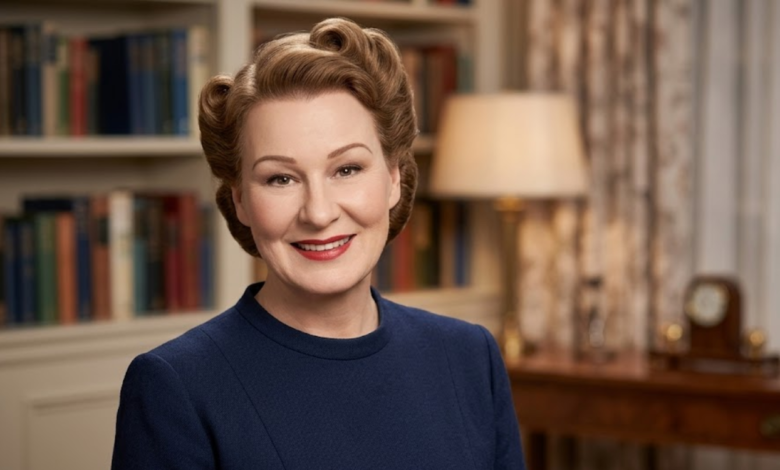
The entertainment world lost one of its most cherished treasures on October 16, 1992, when Shirley Booth Obituary took her final bow at the age of 94. The acclaimed actress, who had achieved the rare distinction of winning Academy, Emmy, and Tony Awards during her illustrious career, passed away peacefully at her beloved home in North Chatham, Massachusetts. For decades, Booth had captivated audiences with her remarkable versatility, moving seamlessly between stage, screen, and television with a natural grace that few performers could match. Her death marked the end of an era in American theater and film, closing the curtain on a career that had spanned nearly fifty years and left an indelible mark on the performing arts. This comprehensive obituary celebrates the life, career, and lasting legacy of a woman who remained humble despite her extraordinary achievements, choosing to live out her final years in quiet seclusion far from the Hollywood spotlight that had once shone so brightly upon her.
Quick Biography Table
| Attribute | Details |
|---|---|
| Full Name | Marjory Ford |
| Stage Name | Shirley Booth |
| Date of Birth | August 30, 1898 |
| Place of Birth | Brooklyn, New York, USA |
| Date of Death | October 16, 1992 |
| Age at Death | 94 years |
| Place of Death | North Chatham, Massachusetts, USA |
| Resting Place | Mount Hebron Cemetery, Montclair, New Jersey |
| Spouse(s) | Ed Gardner (1929-1942, divorced), William H. Baker Jr. (1943-1951, his death) |
| Children | None |
| Notable Awards | Academy Award for Best Actress (1952), Two Primetime Emmy Awards, Three Tony Awards |
| Years Active | 1925-1974 |
| Famous Roles | Lola Delaney in Come Back, Little Sheba; Hazel Burke in Hazel |
| Claim to Fame | First performer to win both a Tony and Oscar for the same role |
| Hollywood Walk of Fame | 6840 Hollywood Boulevard |
The Early Years and Journey to Stardom
Born Marjory Ford on August 30, 1898, in Brooklyn, New York, the future star grew up in a modest household where her passion for performance first took root. Throughout her early years, Booth displayed a natural talent for comedy and drama that would later define her career. However, she carried a fascinating secret throughout most of her professional life. Only her closest associates knew her true birth year, as her publicity materials had long listed 1907 as her birth year, effectively making her nearly a decade younger in the eyes of the public. This carefully guarded secret allowed Booth to continue playing roles that might otherwise have been considered beyond her age range, a testament to both her longevity and the careful management of her public image.
Booth made her Broadway debut in 1925 with a small role in Hell’s Bells, a production that featured a young Humphrey Bogart among its cast members. While the show itself did not achieve lasting fame, it marked the beginning of a theatrical journey that would span generations. During these formative years, Booth honed her craft in various productions, developing the distinctive style that would later earn her critical acclaim. Her early career was characterized by steady work in both comedy and drama, establishing her reputation as a reliable and talented performer who could elevate any production she joined.
The 1920s and 1930s saw Booth building her resume with numerous stage appearances, gradually moving from smaller roles to more prominent parts. Her dedication to her craft and her ability to bring depth to every character she portrayed did not go unnoticed by critics and audiences alike. By the time the 1940s arrived, Booth had become a respected figure in New York theater circles, known for her professionalism and her remarkable ability to connect with audiences through both comedic timing and dramatic intensity.
The Breakthrough That Changed Everything
The turning point in Shirley Booth Obituary career came in 1950 with her unforgettable performance as Lola Delaney in William Inge’s play Come Back, Little Sheba. The role, which required Booth to portray a lonely, unfulfilled housewife with heartbreaking authenticity, showcased her extraordinary dramatic range. Critics hailed her performance as one of the finest ever seen on the Broadway stage, and she received the Tony Award for Best Performance by a Leading Actress in a Play for her work. This triumph established Booth as one of the foremost dramatic actresses of her generation and opened doors to opportunities she had never before imagined.
When Paramount Pictures decided to adapt the play for film, Booth was the natural choice to reprise her role. The 1952 film version of Come Back, Little Sheba brought Booth to the attention of movie audiences worldwide and earned her the Academy Award for Best Actress. Additionally, she received the Golden Globe Award for Best Actress, making history as the first performer to win both a Tony and an Oscar for the same role. Despite this monumental achievement, Booth remained characteristically humble, viewing her film success as an extension of her stage work rather than a separate career path.
The film adaptation also introduced Booth to a new generation of fans who had never had the opportunity to see her on stage. Her portrayal of Lola Delaney remains one of the most celebrated performances in cinema history, a masterclass in emotional subtlety and raw vulnerability. The Academy Award recognition, however, did not lead Booth to abandon her theatrical roots. Unlike many stage actors who transitioned permanently to film, Booth remained deeply connected to the theater and never fully embraced the Hollywood lifestyle that the Oscar could have afforded her.
Marriage, Personal Life, and Quiet Resilience
Booth’s personal life was marked by both joy and sorrow, including two marriages that shaped her adult years. Her first marriage was to Ed Gardner, whom she wed on November 23, 1929. Gardner would later achieve his own fame as the creator and host of the popular radio series Duffy’s Tavern, a program that became a cultural phenomenon during the 1940s. However, the demands of their respective careers and personal differences led to their divorce in 1942, ending a marriage that had lasted nearly thirteen years.
Following her divorce from Gardner, Booth found love again with William H. Baker Jr., a corporal in the United States Army. The couple married in 1943 and enjoyed a happy partnership that lasted until Baker’s untimely death from heart disease in 1951. The loss of her second husband deeply affected Booth, and she never remarried. She also never had children from either marriage, choosing instead to channel her emotional energy into her work and her close friendships within the entertainment community.
Despite the personal tragedies she endured, Booth maintained a resilient spirit and continued to pursue her career with dedication and passion. Those who knew her described her as a warm, generous person who never allowed fame to change her fundamental nature. She remained fiercely private about her personal life, preferring to let her work speak for itself. This combination of professional excellence and personal humility endeared her to colleagues and fans alike, creating a legacy that extended far beyond her on-screen achievements.
The Television Years and Cultural Impact
The 1960s brought Shirley Booth Obituary to an even wider audience through her iconic role in the television sitcom Hazel. From 1961 to 1966, Booth portrayed the title character, a sharp-witted, no-nonsense housekeeper who managed the affairs of the Baxter family with equal measures of competence and charm. The show became a ratings success and cemented Booth’s status as a beloved figure in American popular culture. For her performance in the series, Booth received two Primetime Emmy Awards, adding to her already impressive collection of honors.
Television audiences responded enthusiastically to Booth’s portrayal of Hazel, a character that allowed her to showcase her comedic timing while also displaying the warmth and humanity that had defined her dramatic work. The show’s popularity led to a spin-off series in which Hazel moved to Washington D.C. to work for a politician, though this iteration did not achieve the same success as the original. Nevertheless, Booth’s association with the character became so strong that many fans continued to think of her as Hazel even after the show had ended its run.
Beyond Hazel, Booth continued to appear in various television productions, always bringing the same level of commitment and craftsmanship to each role. Her voice work as Mrs. Claus in the 1974 animated special The Year Without a Santa Claus provided a fitting coda to her long career, demonstrating that even in her later years, she could still captivate audiences with her distinctive presence. Her final role in this beloved holiday classic remains a testament to her enduring appeal and her ability to connect with viewers of all ages.
The Final Years and Peaceful Passing
Following her retirement from acting in 1974, Shirley Booth Obituary chose to leave behind the bustling entertainment world and settle in North Chatham, a quiet community on Cape Cod in Massachusetts. There, she lived a simple life, surrounded only by her pet poodle and two cats, far from the cameras and crowds that had once defined her professional existence. She maintained contact with close friends through telephone conversations and devoted her time to painting and needlework, hobbies that brought her peace and satisfaction in her golden years.
In November 1979, Booth received one of the highest honors available to any theatrical performer when she was inducted into the American Theatre Hall of Fame. Characteristically, she did not attend the ceremony, preferring to remain in the seclusion she had come to value. Celeste Holm accepted the award on her behalf, a gesture that highlighted the respect and admiration Booth commanded from her peers. This recognition affirmed her place in theatrical history, even as she continued to live quietly far from the stages where she had once triumphed.
The 1980s brought health challenges that gradually limited Booth’s mobility and independence. Reports indicated that she suffered a stroke that resulted in blindness and other complications that made daily life increasingly difficult. In 1991, her sister disclosed that Booth had broken her hip, further restricting her ability to move about and care for herself. Despite these difficulties, Booth remained resilient, continuing to live in her North Chatham home with the support of those closest to her. When she passed away on October 16, 1992, after a brief illness, it was at home, surrounded by the peace and quiet she had sought in her final years.
Legacy and Lasting Influence
Shirley Booth Obituary legacy extends far beyond the awards and accolades she accumulated throughout her career. As one of only a handful of performers to have won the Triple Crown of Acting, she occupies a unique place in entertainment history, standing alongside legends like Helen Hayes, Rita Moreno, and Viola Davis. Her achievement in winning Tony, Emmy, and Oscar awards while maintaining a relatively modest output of film and television Shirley Booth Obituary work speaks to the exceptional quality of every performance she gave.
Following a private memorial service attended by her closest friends and relatives, Booth was laid to rest in the Baker family plot at Mount Hebron Cemetery in Montclair, New Jersey. Her grave is located near the resting place of her second husband, William H. Baker Jr., reuniting them in death after decades of separation. The cemetery, known for being the final resting place of numerous notable figures, provides a peaceful final home for the actress who had spent her final years seeking tranquility.
For those who wish to honor her memory in Hollywood, Booth has a star on the Hollywood Walk of Fame located at 6840 Hollywood Boulevard. The star serves as a permanent reminder of her contributions to the entertainment industry and provides fans with a tangible connection to her remarkable career. Shirley Booth Obituary Her films and television shows continue to be enjoyed by new generations, and her performances remain models of acting excellence that inspire aspiring performers to this day. Shirley Booth Obituary may have left the stage, but her work ensures that she will never be forgotten.
Final Reflections
Shirley Booth Obituary lived a life of extraordinary achievement wrapped in remarkable humility. From her Brooklyn beginnings to her Broadway triumphs, from her Oscar victory to her television fame, she remained consistently dedicated to the craft of acting while never losing sight of the human connections that truly mattered. Shirley Booth Obituary Her decision to retire from public life and spend her final years in quiet seclusion reflected a woman who understood that lasting satisfaction comes not from fame or fortune, but from living authentically and on one’s own terms.
The entertainment industry lost a true original when Booth passed away, but she left behind a body of work that continues to resonate with audiences. Her ability to find the humanity in every character she portrayed, from the tragic Lola Delaney to the comedic Hazel, demonstrated a depth of understanding that few performers ever achieve. Those who remember her work are reminded of the power of great acting to illuminate the human experience in all its complexity and beauty.
This article about Shirley Booth Obituary life and passing has been brought to you by BlogMagzine, your trusted source for comprehensive coverage of entertainment history and the lives of those who shaped popular culture.
Read More: Dat Nguyen Net Worth: Exploring the NFL Star’s Career, Earnings, and Financial Success